Restorative Dentistry
Dental Crowns
Strength and a natural look for damaged teeth.
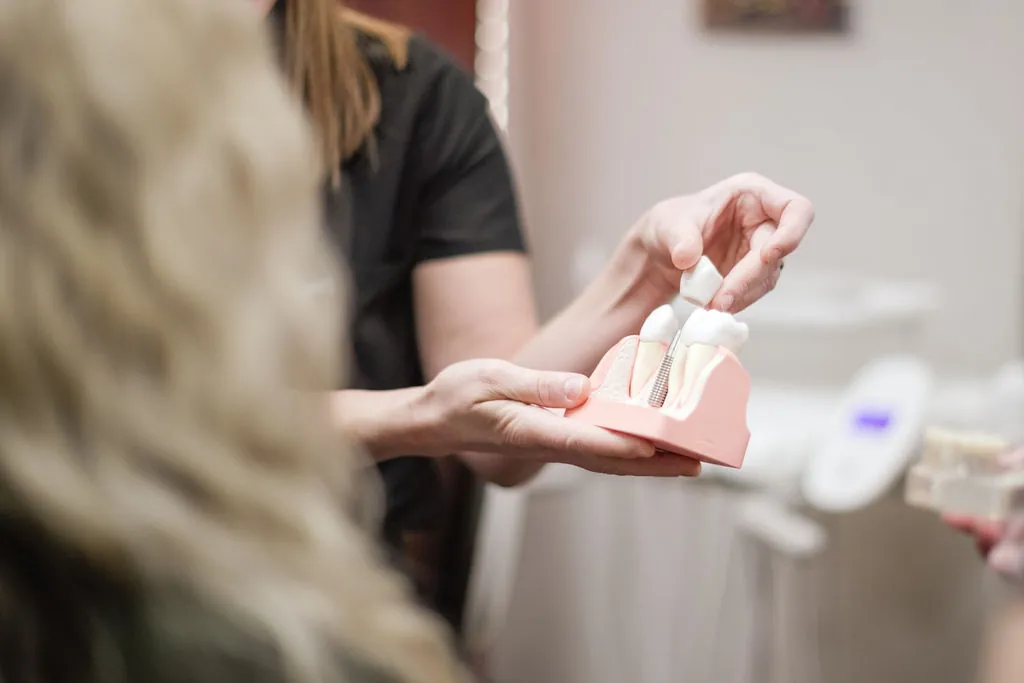
A crown is a replacement outer covering, much like a thimble, that fits over and strengthens a tooth and restores its appearance and function.
Exceptional Dentistry in Gladstone, MO
When a tooth needs a crown
A crown is needed when a tooth has been extensively damaged, by tooth decay, by a fractured or broken section, or by an old, large filling that is coming apart or failing. The crown covers the whole visible tooth, strengthening what remains and giving it back its natural shape. We make a digital image of your teeth so each crown is custom-made to fit, and a temporary crown protects the tooth while the permanent one is created. With good oral hygiene and regular professional care, crowns can be expected to last for many years.
Types of crowns
Choosing the right crown
There are different types of crowns for different purposes.
-
Porcelain crowns
The most common type, with a ceramic or sometimes metallic core for strength. They are very strong and look like a natural tooth.
-
Gold crowns
On the back teeth, or molars, where they are hard to see, gold crowns are often the perfect choice because of their strength and durability.
20–40
Years: average life of a gold crown
Durability you can count on
A gold crown’s average durability is 20–40 years with good hygiene and dental care, which is why it is so often chosen for the molars that do the heavy work of chewing.
How a crown is placed
Placing a crown usually follows these steps:
- Shaping the tooth to remove any decay in or around it
- Re-sculpting the tooth for an ideal fit
- Making a digital image of your teeth for a custom-made crown
- Fitting a temporary, tooth-colored crown while the permanent one is made
- Removing the temporary and fitting the permanent crown
- Cementing the crown into place once the look and fit are right
Why Choose Marx Family Dental for Crowns?
We use digital imaging so every crown is custom-made to fit, and we take the time to make sure it looks and feels right before it is cemented into place. If a tooth is only moderately damaged, we may recommend an inlay or onlay instead, which preserves more of your natural tooth.
Crown options
Choose the right crown
Each crown material and approach has its own page:
-
All Ceramic Crowns
An all-ceramic crown is a tooth-shaped cap made entirely of ceramic, with no metal underneath.
-
Zirconia Crowns
A zirconia crown is a tooth-colored crown made from zirconium dioxide, one of the toughest ceramics used in dentistry.
-
Gold Crowns
A gold crown is a full-coverage cap made from a gold alloy that fits over a damaged tooth.
-
E4D Same-Day Crowns
An E4D same-day crown is a custom, permanent ceramic crown that is designed digitally and milled in the dental office, so it can be placed in a single visit instead of two, with no temporary crown in between.
New patient special
$98
A $308 value for your first visit
Visiting us for the first time? Our new patient offer includes:
- Comprehensive exam
- Panoramic X-rays
- Bitewing digital X-rays
- Intraoral photos
- Smile evaluation
- Full gum evaluation
- Oral cancer screening
- TMJ and bite evaluation
- Review of your treatment options
- A written treatment plan
Book your visit
Need a crown?
If a tooth is cracked, heavily decayed or held together by an old filling, a crown can restore its strength and appearance. Contact our Gladstone and Kansas City dentists to schedule your initial appointment.
The short answer
A dental crown is a custom covering that fits over a damaged tooth, much like a thimble, to strengthen it and restore its appearance and function. The tooth is shaped to remove decay and re-sculpted for an ideal fit, a digital image is made so the crown is custom-made, and a temporary tooth-colored crown protects the tooth until the final crown is cemented in place. A crown is used when a tooth is weakened by decay, a fracture or a large, failing filling, and with good care it can be expected to last for many years.
Dental Crowns FAQ
- When do I need a crown?
- You may need a crown when a tooth has been extensively damaged. That damage can come from tooth decay, a fractured or broken section, or an old, large filling that is coming apart or failing. If a tooth is only moderately damaged, your dentist may recommend an inlay or onlay instead, which preserves more of your natural tooth.
- What are crowns made of?
- Most crowns are porcelain, with a ceramic or sometimes metallic core for strength. Porcelain crowns are very strong and look like a natural tooth, which makes them the most common type. Gold crowns are often chosen for back teeth, where they are hard to see, because of their strength and durability.
- How long do crowns last?
- Crowns can be expected to last for a number of years with good oral hygiene and regular professional care. Gold crowns have an average durability of 20–40 years, which is why they are so often chosen for the molars that do the heavy work of chewing. Brushing, flossing and keeping your checkups help protect both the crown and the tooth underneath it.
- Will I have a temporary crown?
- Yes, in most cases a temporary crown is fitted while your custom crown is made. The temporary is tooth-colored and protects the shaped tooth in the meantime. Once the final crown is ready, the temporary is removed and the new crown is fitted, checked for look and fit, and cemented into place. An E4D same-day crown is the exception, since it is designed and milled in the office and placed in a single visit.
Your dentist
Meet Dr. Emily Marx
A skilled family dentist, Dr. Marx is passionate about helping patients feel comfortable while achieving their best smile. Meet Dr. Marx