
Dentures
Full Dentures in Gladstone
A complete arch of teeth, made for your face.
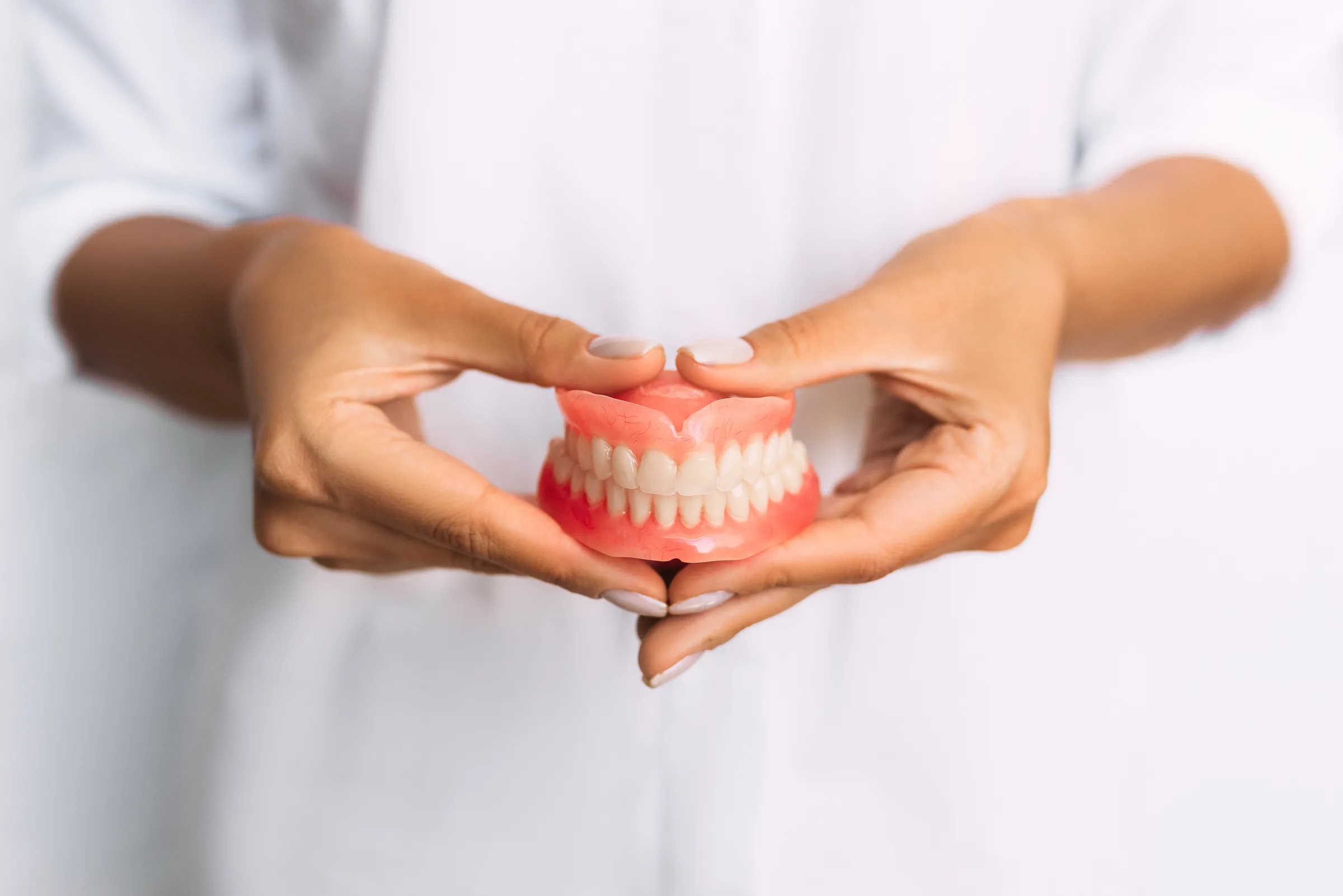
When every tooth in an arch is missing or can no longer be kept, a full denture brings back a complete row of teeth. Each set is designed around your bite, your features and the shape of your gums.
Exceptional Dentistry in Gladstone, MO
What a full denture replaces
A full denture, sometimes called a complete denture, replaces all of the teeth in the upper jaw, the lower jaw or both. The replacement teeth sit in an acrylic base tinted to look like natural gum tissue, and that base rests directly on the ridge left behind after the teeth are gone. An upper denture usually covers the roof of the mouth, which helps it hold by suction, while a lower denture is shaped like a horseshoe so the tongue has room to move. Because the fit depends on the gums and the bone beneath them, the process begins with careful records of your mouth and your bite. If you are still weighing your choices, our broader dentures page compares every type side by side.
How a full denture is made
Getting the fit, bite and appearance right takes a few careful steps, and you have a say in how your new teeth look before the final set is finished.
- An exam and imaging, such as panoramic X-rays, to look at your gums and jaw
- Impressions or digital impressions that capture the shape of each ridge
- Bite records that set the height and position of your new teeth
- A try-in so you can check the shade, shape and feel before the set is completed
- A fitting visit, with adjustments to smooth out any sore spots
Living with a full denture
Getting used to your new teeth
Most people need a period of practice before a full denture feels like part of them.
-
Eating
Start with soft foods cut into small pieces, and chew on both sides at once to keep the denture steady.
-
Speaking
Reading aloud helps your tongue and cheeks learn to work with the new shape, and a few words may feel tricky at first.
-
Daily care
Brush the denture gently, soak it overnight as directed and rinse it after meals to keep it fresh.
-
Checkups
Your gums and jaw change over time, so regular visits let your dentist spot a loosening fit early.
Why choose Marx Family Dental for full dentures?
A complete denture changes how you eat, speak and look, so it deserves an unhurried process. We listen to what you want from your smile, walk you through each stage and keep adjusting until the fit feels right.
New patient special
$98
A $308 value for your first visit
Visiting us for the first time? Our new patient offer includes:
- Comprehensive exam
- Panoramic X-rays
- Bitewing digital X-rays
- Intraoral photos
- Smile evaluation
- Full gum evaluation
- Oral cancer screening
- TMJ and bite evaluation
- Review of your treatment options
- A written treatment plan
Options if you want more stability
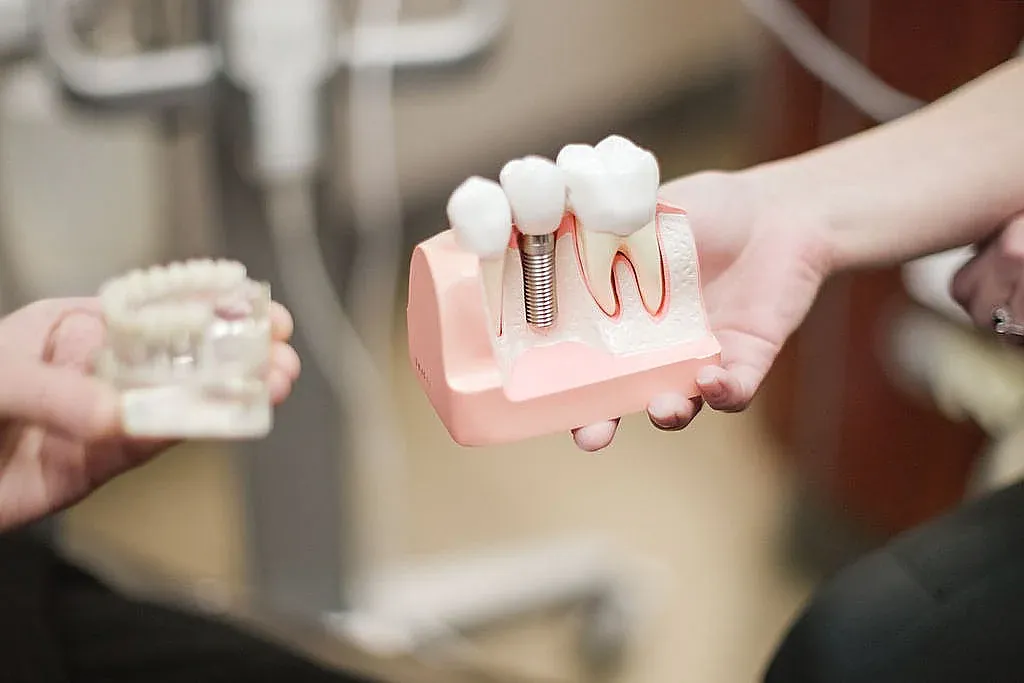
Some people find a traditional full denture moves more than they would like, especially on the lower jaw. Implants can anchor a denture so it clicks into place instead of relying on suction; learn more about implant supported dentures. If your remaining teeth still need to come out, an immediate denture can let you leave the office with teeth while you heal.
Book your visit
Talk with us about a full denture
Bring your questions and any concerns about your current teeth. We will look at your mouth, explain the options that fit your situation and help you decide on the next step.
The short answer
A full denture, also called a complete denture, is a removable appliance that replaces every tooth in the upper jaw, the lower jaw or both. Replacement teeth are set in an acrylic base tinted like gum tissue, made from impressions, bite records and a try-in so you can check the shade, shape and feel before the set is finished. An upper denture usually holds by suction against the roof of the mouth, while a lower denture is horseshoe shaped and relies more on its fit to stay in place.
Full Dentures FAQ
- What is the difference between a full and a partial denture?
- A full denture replaces every tooth in an arch, while a partial denture fills gaps between natural teeth that are staying in place. A full denture rests directly on the ridge of the gums left behind after the teeth are gone. A partial denture uses the remaining teeth for support and fits around them. Your dentist will look at which teeth can be kept before recommending one or the other.
- How does a full denture stay in?
- An upper full denture typically holds by suction against the palate and gums, because it covers the roof of the mouth. A lower denture is shaped like a horseshoe to leave room for the tongue, so it relies more on its fit and the muscles of your mouth. That is why a lower denture can feel less steady than an upper one. Some people choose implants to anchor a denture so it clicks into place instead.
- Will a full denture change the way I talk?
- A full denture can feel unfamiliar at first and may change how a few words sound. Your tongue and cheeks need time to learn to work with the new shape in your mouth. Reading aloud and practicing speech usually helps your mouth adapt. If a sound stays difficult, your dentist can adjust the denture.
- Should I sleep with my denture in?
- Your dentist will usually suggest taking your denture out at night so your gums can rest. While it is out, keep it moist by soaking it in a cleaning solution or water, as directed. Letting a denture dry out can affect its shape and fit. Brushing it gently and rinsing it after meals also helps keep it fresh.
- What if my denture starts to feel loose?
- A denture that starts to feel loose usually means your gums and bone have changed shape over time. Because a full denture rests on the gums, even small changes can affect how well it fits. A denture reline or an adjustment can often restore a closer fit. Regular checkups let your dentist spot a loosening fit early, before it becomes uncomfortable.
Your dentist
Meet Dr. Emily Marx
A skilled family dentist, Dr. Marx is passionate about helping patients feel comfortable while achieving their best smile. Meet Dr. Marx