Restorative Dentistry
Cantilever Bridges in Gladstone
A bridge for gaps with support on one side.
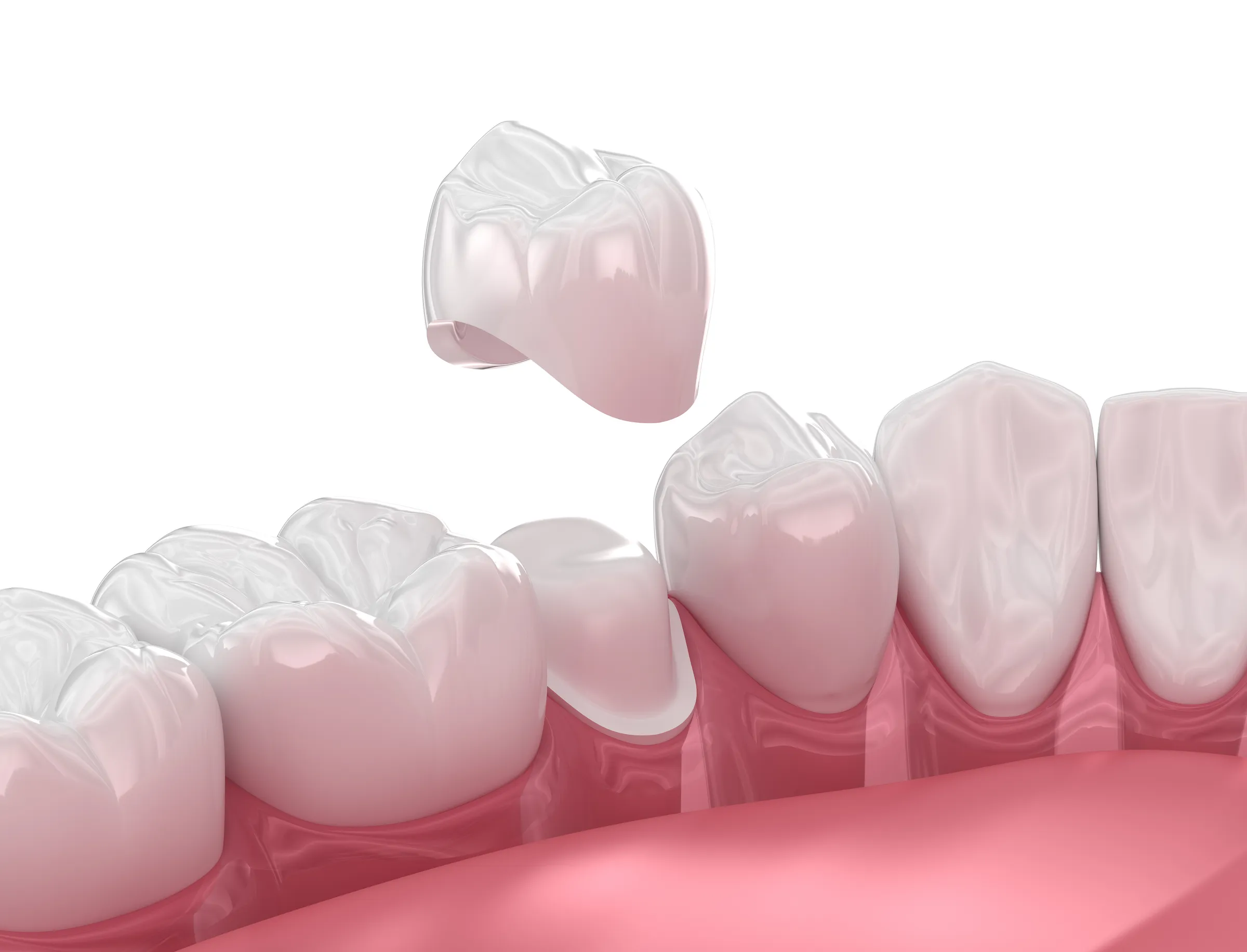
Not every missing tooth has a healthy neighbor on both sides. A cantilever bridge attaches the replacement tooth to a single anchor tooth, so a gap can still be filled.
Exceptional Dentistry in Gladstone, MO
What sets a cantilever bridge apart
Most bridges rest on a tooth at each end, but a cantilever bridge extends out from one side only, much like a balcony supported from a single wall. The replacement tooth is joined to a crown on the neighboring tooth, and that one tooth carries the load. This design can be useful when a tooth is missing at the end of a row, when the tooth on the far side is absent or unsuitable, or when your dentist wants to avoid crowning a healthy tooth unnecessarily. Because all the force goes through one anchor, cantilever bridges are typically used where chewing pressure is lighter, such as toward the front of the mouth. Your dentist will look closely at the anchor tooth and your bite before suggesting one.
Pros and cons
Weighing a cantilever bridge
Like every restoration, the single-sided design brings tradeoffs.
-
Fewer teeth involved
Only one neighboring tooth needs to be reshaped for a crown, rather than two.
-
Fits unusual gaps
Works where a traditional bridge cannot, because there is no tooth on one side.
-
Extra demand on one tooth
The anchor tooth takes all the force, so it must be strong and well supported by healthy gums and bone.
-
Best in lighter-load areas
It is usually not the first choice for back teeth that take the heaviest chewing.
Planning your bridge
Getting a cantilever bridge usually includes:
- An exam of the gap, the anchor tooth and the supporting gums
- Imaging such as digital X-rays to check the root and bone
- A review of how your teeth meet when you bite and chew
- Shaping the anchor tooth and taking a digital impression
- A temporary to protect the tooth while your bridge is made
- Fitting, adjusting and cementing the finished bridge
Alternatives to consider
If there is a healthy tooth on both sides of the gap, a traditional bridge spreads the load across two anchors. If you would prefer not to rely on natural teeth at all, an implant-supported bridge or a single dental implant may be worth discussing. You can read how bridges work in general on our Dental Bridges page.
New patient special
$98
A $308 value for your first visit
Visiting us for the first time? Our new patient offer includes:
- Comprehensive exam
- Panoramic X-rays
- Bitewing digital X-rays
- Intraoral photos
- Smile evaluation
- Full gum evaluation
- Oral cancer screening
- TMJ and bite evaluation
- Review of your treatment options
- A written treatment plan
Book your visit
Missing a tooth at the end of a row?
Book an exam and we’ll look at the teeth around the space and explain which bridge design, or other option, makes the most sense for you.
The short answer
A cantilever bridge is a dental bridge anchored on only one side, with the replacement tooth attached to a crown on a single neighboring tooth. The anchor tooth is examined and imaged, shaped and recorded with a digital impression, protected with a temporary, and then the finished bridge is fitted, adjusted and cemented. It can fill a gap at the end of a row or where the tooth on the far side is absent or unsuitable, and it is typically used where chewing pressure is lighter, such as toward the front of the mouth.
Cantilever Bridges FAQ
- How is a cantilever bridge different from a traditional bridge?
- A traditional bridge is anchored by crowns on both sides of the gap, while a cantilever bridge is anchored on one side only. In a cantilever bridge, the replacement tooth extends from a single crowned tooth, much like a balcony supported from one wall. That means only one neighboring tooth needs to be reshaped, but that one tooth carries all of the load.
- Where are cantilever bridges usually used?
- Cantilever bridges are most often considered in areas with lighter chewing forces, such as toward the front of the mouth. They are also used where there is a natural tooth on only one side of the space, such as a gap at the end of a row. Because all the force goes through one anchor, they are usually not the first choice for back teeth that take the heaviest chewing.
- Is the anchor tooth at risk?
- The anchor tooth carries all the load, so it needs to be strong and well supported by healthy gums and bone. Your dentist checks the tooth, its root and the surrounding gums carefully before recommending a cantilever bridge, including with imaging such as digital X-rays. Keeping up with checkups after the bridge is placed helps catch any problem with the anchor tooth early.
- How do I care for a cantilever bridge?
- Brush and floss daily, just as you would around your natural teeth. Clean beneath the replacement tooth with a floss threader or a small interdental brush, since food and plaque can collect under it. Avoid biting very hard objects with that part of your mouth, because the single anchor tooth takes all of that force.
Your dentist
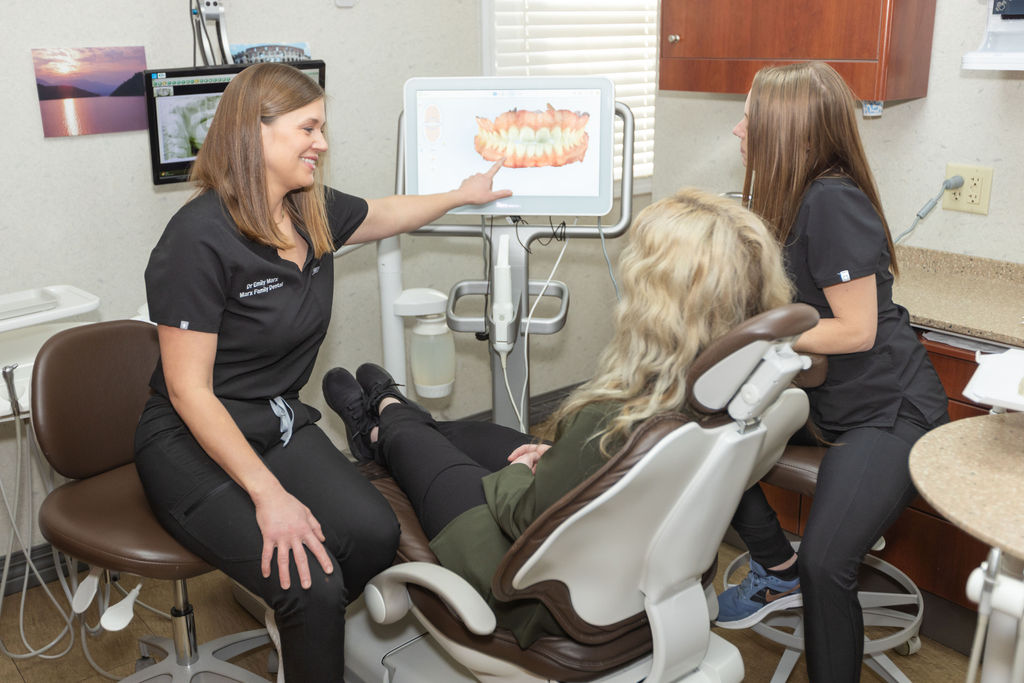
Meet Dr. Emily Marx
A skilled family dentist, Dr. Marx is passionate about helping patients feel comfortable while achieving their best smile. Meet Dr. Marx