
Gum Care
Frenectomy in Gladstone
Releasing a tight tie for easier movement.
A small band of tissue can have a big effect on how the lips and tongue move. When that band is too tight or too thick, a frenectomy gently releases it.
Exceptional Dentistry in Gladstone, MO
Understanding the frenum
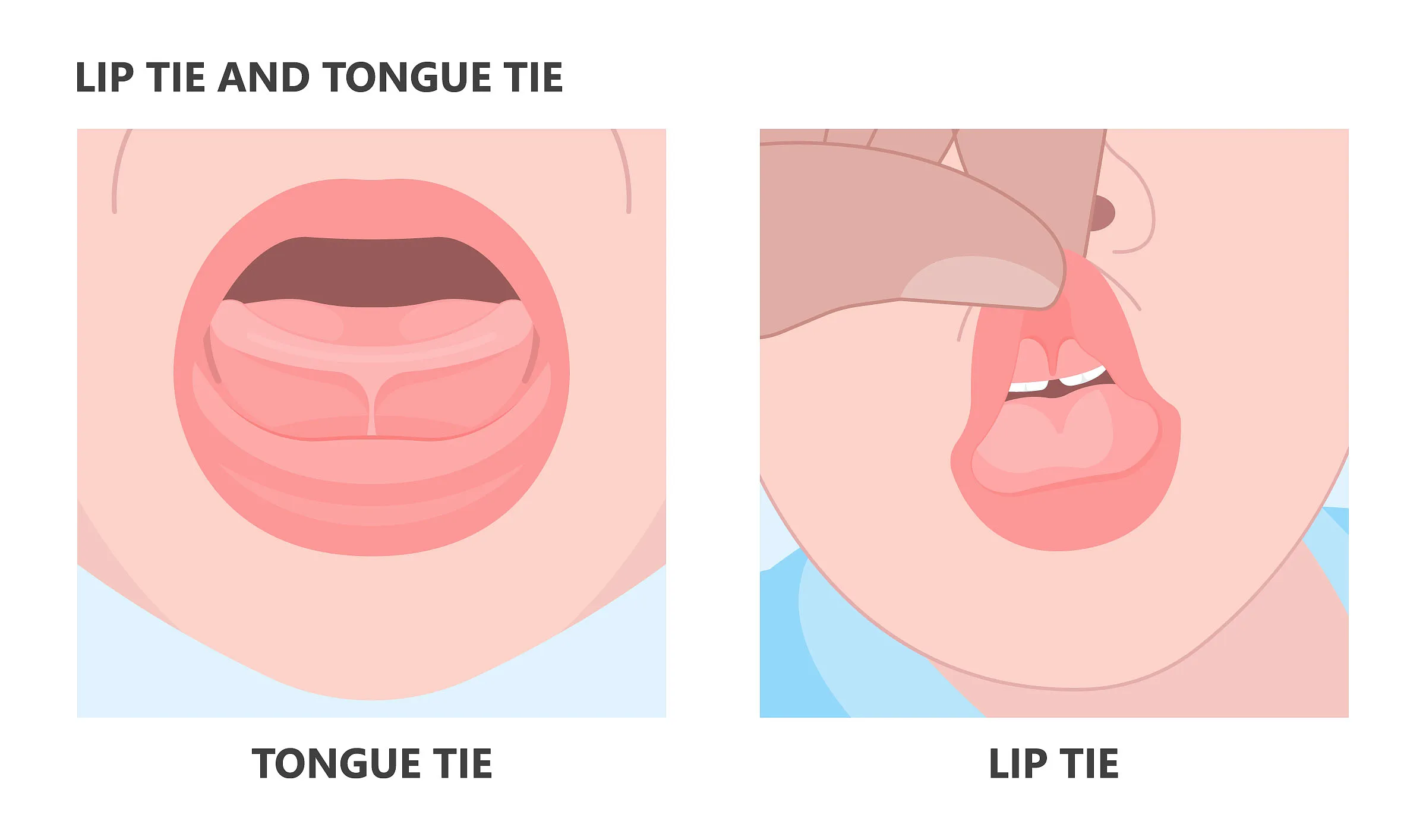
A frenum is a thin fold of tissue that anchors a lip or the tongue to the surrounding gums and floor of the mouth. Everyone has them, and most cause no trouble at all. When a frenum is unusually short, tight or thick, it is often described as a lip tie or tongue tie, and it can restrict how freely the lip or tongue moves. Depending on where it sits, a tight frenum may be linked to difficulty with feeding or certain speech sounds, a gap between the front teeth, or gum tissue being pulled away from the teeth. A frenectomy removes or releases the tissue so the lip or tongue has a fuller range of motion, and your dentist will talk with you about whether it is the right choice after an examination.
Where ties occur
The frena that may need attention
-
Lingual frenum
Connects the underside of the tongue to the floor of the mouth. A tight one is commonly called a tongue tie.
-
Upper labial frenum
Joins the upper lip to the gums above the front teeth. When it is prominent, it is often called a lip tie.
-
Lower labial frenum
Links the lower lip to the gums below the front teeth, where tension can pull on the gum tissue.
What a frenectomy involves
The procedure is usually brief and is done right in the dental chair.
- Your dentist examines the frenum and discusses how it is affecting movement or the gums
- The area is numbed
- The tissue is released, and your dentist may use a soft tissue laser
- You receive care instructions and, when helpful, simple stretches to do at home
New patient special
$98
A $308 value for your first visit
Visiting us for the first time? Our new patient offer includes:
- Comprehensive exam
- Panoramic X-rays
- Bitewing digital X-rays
- Intraoral photos
- Smile evaluation
- Full gum evaluation
- Oral cancer screening
- TMJ and bite evaluation
- Review of your treatment options
- A written treatment plan
Care for every age
Lip and tongue ties are often noticed in young children, so a frenectomy can be part of pediatric dentistry visits. Adults may also benefit when a tight frenum is pulling on the gums, sometimes alongside treatments such as a gingivectomy or gum contouring.
Book your visit
Have a tie checked
If you’ve noticed that you or your child has limited tongue or lip movement, schedule an exam. We’ll take a look and explain what we see in plain terms.

The short answer
A frenectomy is a minor procedure that removes or releases a frenum, the small fold of tissue that connects the lip or tongue to the gums or the floor of the mouth. After an exam, the area is numbed and the tissue is released in the dental chair, sometimes with a soft tissue laser, followed by care instructions and simple stretches when helpful. It is used for a tight lip tie or tongue tie that limits movement or pulls gum tissue away from the teeth.
Frenectomy FAQ
- What is the difference between a lip tie and a tongue tie?
- A tongue tie involves the frenum under the tongue, while a lip tie involves the frenum that connects the lip to the gums. The frenum under the tongue is called the lingual frenum, and the one joining the upper lip to the gums is the upper labial frenum. Both can limit movement when the tissue is unusually short, tight or thick. A tight frenum may be linked to feeding or speech difficulty, a gap between the front teeth, or gums being pulled away from the teeth.
- Does every tie need to be released?
- No, not every tie needs to be released. Everyone has frena, and many cause no problems at all. Your dentist will recommend a frenectomy only when the tissue appears to be affecting movement, comfort or gum health. An examination comes first, so the decision is based on what the frenum is actually doing.
- Is the area numbed?
- Yes, the area is numbed before the frenum is released. Numbing the tissue first keeps you or your child more comfortable during the procedure. The procedure itself is usually brief and is done right in the dental chair. Afterward, you receive care instructions for the days that follow.
- Can a frenectomy be done with a laser?
- Yes, in many cases your dentist may use a soft tissue laser to release the frenum. A laser is one way to release soft tissue precisely. Whether it is the right approach depends on the location and thickness of the tissue. Your dentist will explain the method they plan to use after examining the frenum.
- Are there exercises afterward?
- Your dentist may suggest gentle stretches after a frenectomy to help the area heal with good movement. Stretches help the lip or tongue keep the fuller range of motion the procedure created. Not everyone needs them, so they are given when they are helpful. Follow the instructions you are given, and ask your dentist if anything is unclear.
Your dentist
Meet Dr. Emily Marx
A skilled family dentist, Dr. Marx is passionate about helping patients feel comfortable while achieving their best smile. Meet Dr. Marx