Gum Care
Gingivectomy in Gladstone
Removing extra gum tissue to protect your teeth.
When gum tissue grows over the teeth or forms deep pockets, it can trap bacteria that brushing cannot reach. A gingivectomy trims that tissue back so the gums are healthier and simpler to care for.

Exceptional Dentistry in Gladstone, MO
When a gingivectomy can help
A gingivectomy is the removal of a portion of the gum tissue around one or more teeth. Dentists most often recommend it when gum disease has created pockets that stay deep even after scaling and root planing, or when the gums have become enlarged and started to cover more of the teeth than they should. By removing the excess tissue, the procedure reduces the spaces where plaque and bacteria collect and leaves a gumline that is easier to brush and floss. The same technique can also be used for appearance, which is why it is closely related to gum contouring. Your dentist may use a soft tissue laser or traditional instruments, depending on the area being treated.
Reasons your dentist may suggest it
- Gum pockets that remain deep after a deep cleaning
- Gum tissue that has grown over part of the teeth
- Uneven gums that make some areas hard to keep clean
- Preparing a tooth for a restoration, sometimes alongside crown lengthening
Step by step
What to expect on the day
-
Numbing
The gums in the treatment area are numbed so you can stay comfortable while the tissue is removed.
-
Removing the tissue
Your dentist carefully trims and shapes the excess or diseased gum tissue around the affected teeth.
-
Protecting the area
The treated gums may be covered or treated to protect them as they begin to heal.
-
Aftercare guidance
You’ll leave with clear instructions on eating, rinsing and cleaning the area at home.
New patient special
$98
A $308 value for your first visit
Visiting us for the first time? Our new patient offer includes:
- Comprehensive exam
- Panoramic X-rays
- Bitewing digital X-rays
- Intraoral photos
- Smile evaluation
- Full gum evaluation
- Oral cancer screening
- TMJ and bite evaluation
- Review of your treatment options
- A written treatment plan
Book your visit
Talk with us about your gum health
If your gums feel swollen, look overgrown or bleed easily, schedule an exam. We’ll examine the tissue and explain whether a gingivectomy or another approach is the right next step.
The short answer
A gingivectomy is a dental procedure that removes and reshapes excess or diseased gum tissue around one or more teeth. After the area is numbed, your dentist trims and shapes the tissue with a soft tissue laser or traditional instruments, then protects the treated gums and gives you instructions for home care. It is used to reduce gum pockets that stay deep after scaling and root planing, treat gums that have grown over the teeth, and leave a gumline that is easier to brush and floss.
Gingivectomy FAQ
- What is the difference between a gingivectomy and gum contouring?
- A gingivectomy is often done for gum health, while gum contouring is mainly done to improve how the gumline looks. A gingivectomy removes diseased tissue or reduces deep pockets where plaque and bacteria collect. Gum contouring uses similar techniques to even out the gumline for appearance. The two can overlap, which is why they are closely related.
- Will the area be numbed?
- Yes, the gums being treated are numbed before your dentist begins. Numbing the treatment area helps you stay comfortable while the excess tissue is trimmed and shaped. Your dentist will explain each step before starting.
- How should I care for my gums afterward?
- Follow the instructions your dentist gives you on eating, rinsing and brushing after a gingivectomy. Keeping the area clean supports healing as the treated gums recover. If anything concerns you while you heal, call the office.
- Can a gingivectomy be done with a laser?
- In some cases, yes, your dentist may use a soft tissue laser for a gingivectomy. Whether a laser or traditional instruments are the better choice depends on your situation and the area being treated. Your dentist will explain which approach suits your gums.
- Will gum disease come back after a gingivectomy?
- Removing the tissue helps, but it does not on its own keep gum disease from returning. Good home care and regular professional cleanings are what keep gum disease from coming back. By reducing the pockets where plaque and bacteria collect, the procedure leaves a gumline that is easier to brush and floss.
Your dentist
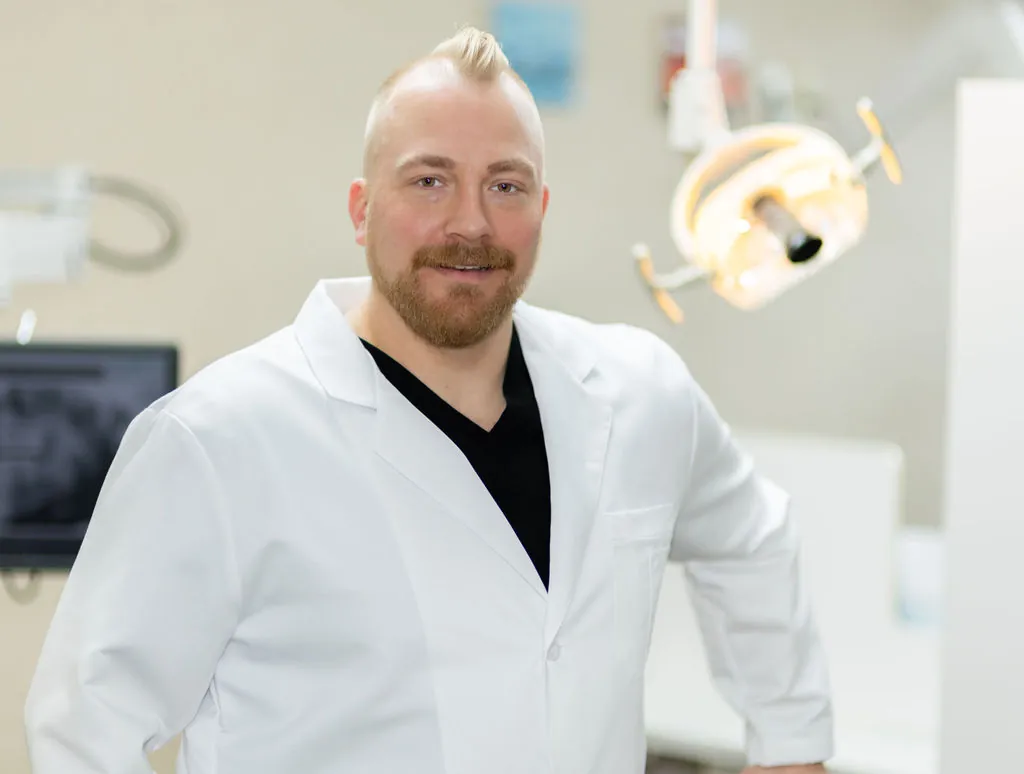
Meet Dr. Emily Marx
A skilled family dentist, Dr. Marx is passionate about helping patients feel comfortable while achieving their best smile. Meet Dr. Marx