
Restorative Dentistry
Gold Crowns in Gladstone
A proven choice for hard-working back teeth.
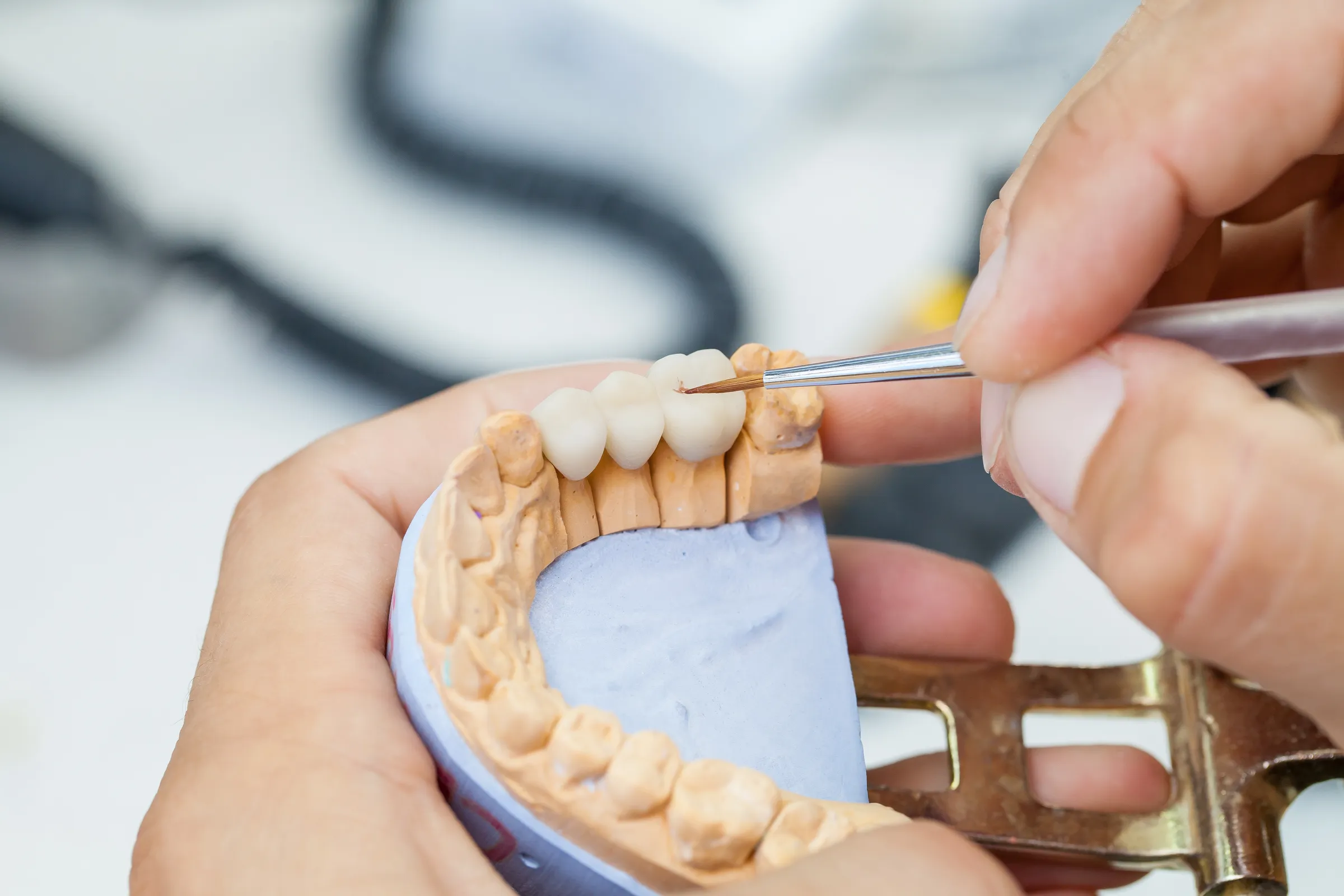
Gold has been used in dentistry for generations because it is tough, stable and kind to the teeth it bites against. A gold crown is a practical way to protect a molar that takes a lot of force.
Exceptional Dentistry in Gladstone, MO
What makes gold different
A gold crown is made from a gold alloy, a blend of gold with other metals that makes it strong without being brittle. Unlike ceramic, it flexes very slightly under pressure rather than chipping, which is useful on back teeth that grind through food all day. Gold is also known for being gentle on the opposing tooth it meets when you bite. Because metal is strong even in a thin layer, a gold crown can often be made with less reshaping of the natural tooth. The obvious tradeoff is color, which is why gold is usually reserved for teeth that do not show much when you smile.
Is a gold crown a good fit for you?
Your dentist may suggest gold when:
- The tooth is a molar near the back of the mouth
- You clench or grind, placing heavy stress on your teeth
- The tooth has limited height and needs a thinner crown
- You want to keep as much natural tooth structure as possible
- Appearance is less of a concern for that particular tooth
Comparing materials
How gold stacks up
If the tooth is visible, a tooth-colored material may suit you better. Here is how the options compare in general terms:
-
Gold
Very tough and gentle on opposing teeth, but clearly metallic in color.
-
Zirconia
A strong ceramic that is tooth-colored. Read about zirconia crowns
-
All-ceramic
The most natural-looking option, often chosen for front teeth. Read about all-ceramic crowns
Getting your gold crown
The process follows the same general path as other crowns, described on our Dental Crowns page. The tooth is prepared, a digital impression is taken so the crown can be made to fit, and a temporary protects the tooth in the meantime. When the gold crown is ready, your dentist checks the fit and your bite with care before cementing it, since a metal crown is adjusted and polished to a smooth, precise finish.
New patient special
$98
A $308 value for your first visit
Visiting us for the first time? Our new patient offer includes:
- Comprehensive exam
- Panoramic X-rays
- Bitewing digital X-rays
- Intraoral photos
- Smile evaluation
- Full gum evaluation
- Oral cancer screening
- TMJ and bite evaluation
- Review of your treatment options
- A written treatment plan
Book your visit
Protect a hard-working molar
If a back tooth is cracked, worn or heavily filled, book a visit and we’ll talk through whether gold or another material is the better match for it.
The short answer
A gold crown is a full-coverage cap made from a gold alloy that fits over a damaged tooth to protect and strengthen it. The tooth is prepared, a digital impression is taken, and a temporary protects it until the finished crown is checked for fit and bite and cemented in place. Gold is strong, resists chipping and wears gently against opposing teeth, so it is most often chosen for molars, for people who clench or grind, and for teeth where appearance matters less.
Gold Crowns FAQ
- Are gold crowns made of pure gold?
- No, gold crowns are not made of pure gold. Pure gold is too soft on its own, so dental crowns use a gold alloy that blends gold with other metals for added strength. The alloy is strong without being brittle, and it flexes very slightly under pressure rather than chipping.
- Why would I choose gold over a tooth-colored crown?
- Gold is a practical choice for a molar because it is tough, resists chipping and wears gently against the opposing teeth it bites on. Because metal is strong even in a thin layer, a gold crown can often be made with less reshaping of the natural tooth. That makes it useful for teeth with limited height and for people who clench or grind. Many people choose it for molars where the metallic color is rarely seen.
- Can I get a gold crown on a front tooth?
- A gold crown can be placed on a front tooth, but most people prefer a tooth-colored crown for teeth that show when they smile. Zirconia is a strong, tooth-colored ceramic, and all-ceramic crowns are the most natural-looking option and are often chosen for front teeth. Your dentist can explain which material suits a visible tooth.
- Can I be allergic to a gold crown?
- Let your dentist know about any known metal allergies before a gold crown is planned, so a suitable material can be chosen. A gold crown is made from an alloy that blends gold with other metals, so the full makeup of the crown matters, not just the gold. If metal is a concern, tooth-colored options such as zirconia or all-ceramic crowns can be discussed.
- How do I look after a gold crown?
- Care for a gold crown the same way as your natural teeth, by brushing twice a day and flossing daily. The crown itself cannot decay, but the natural tooth underneath and the edges where the crown meets the tooth still need cleaning. Keeping your regular checkups lets your dentist look at those edges so they stay healthy.
Your dentist
Meet Dr. Emily Marx
A skilled family dentist, Dr. Marx is passionate about helping patients feel comfortable while achieving their best smile. Meet Dr. Marx